Under Vehicle Inspection System (UVIS/UVSS) Bahrain

Bahrain’s focus on secure, efficient access control is now reinforced with advanced Under Vehicle Surveillance Systems. Engineered for accuracy and speed, our UVSS solutions help security teams identify potential under-vehicle threats in seconds, supporting commercial facilities, data centers, and high-security premises across the Kingdom.
  • Since 1998Manufacturing UVIS & UVSS
  • Made in USADesigned & built
  • WorldwideGovernment & enterprise sites

Proven Track Record in UVIS Deployments

  • +

    Years of Industry Leadership
  • +

    UVIS Installations Worldwide
  • +

    Government & Enterprise Clients

Looking for a reliable under-vehicle inspection solution?

Industrial Security

UVIS for Oil Refineries & Manufacturing Facilities

How high-security industrial sites screen every vehicle for concealed threats without slowing the gate.

Compare the full CPUVIS product range.

Under Vehicle Inspection Overview

Under Vehicle Inspection System

Why Do You Need CommPort’s Under Vehicle Surveillance System in Bahrain?

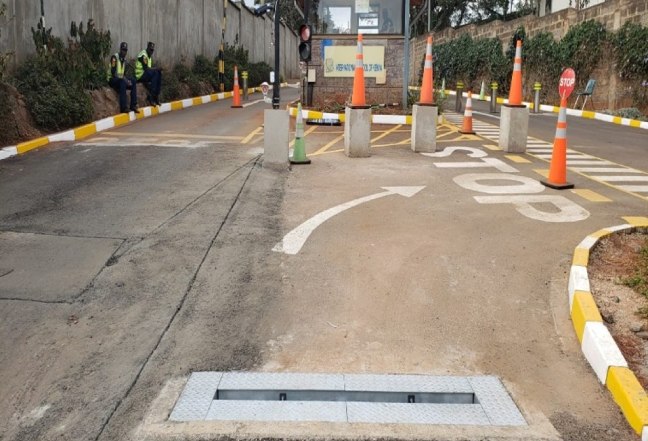
Bahrain’s compact geography and high concentration of critical facilities demand precision-driven security solutions. CommPort’s Under Vehicle Surveillance System enables organizations to detect concealed threats at vehicle entry points without disrupting daily operations.

The system provides instant visibility, allowing security teams to identify suspicious items that would otherwise go unnoticed. AI-assisted comparison tools further enhance detection accuracy by flagging deviations from known vehicle profiles.

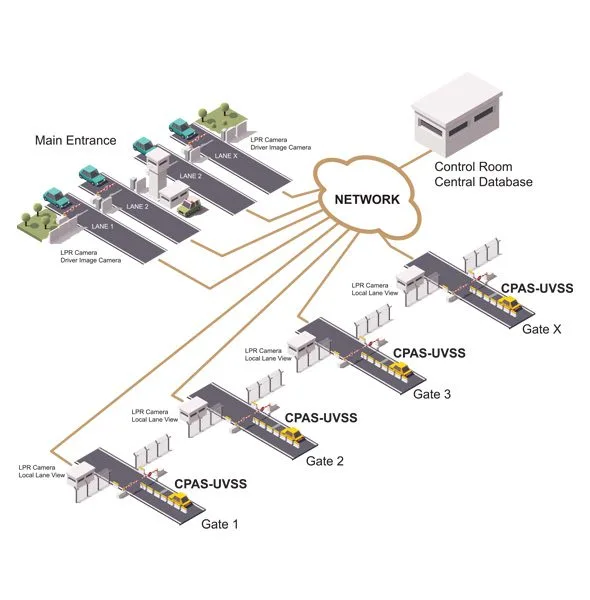
CommPort’s UVSS integrates seamlessly with existing security infrastructure, enabling centralized oversight and efficient incident response. Its compact design makes it suitable for locations with limited space, such as data centers, financial institutions, and government facilities.

By adopting CommPort’s UVSS, Bahraini organizations achieve higher security assurance, faster inspections, and greater operational confidence.

Key Features of Our UVIS System

  • Under Vehicle <span> Surveillance Systems</span>

    Under Vehicle Surveillance Systems

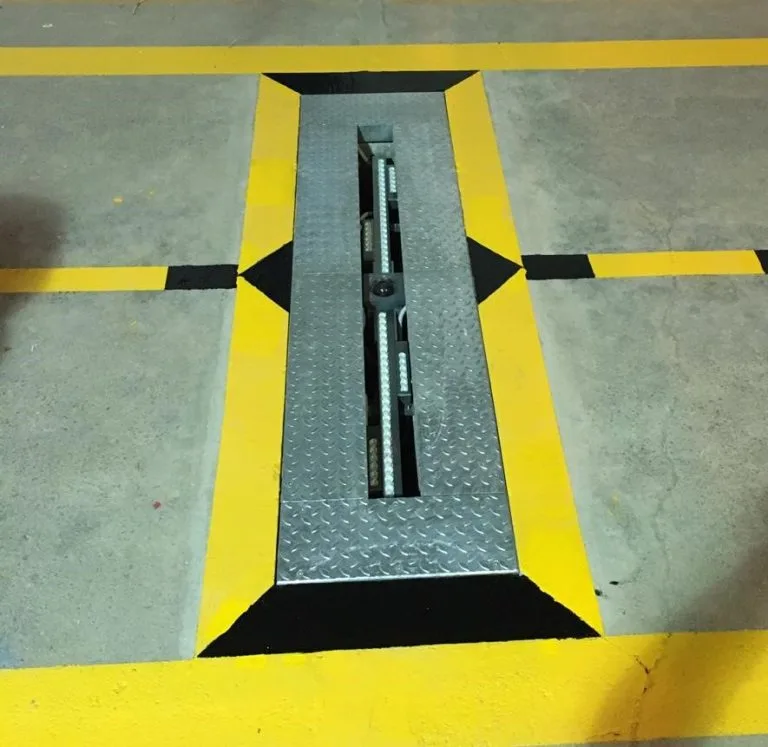
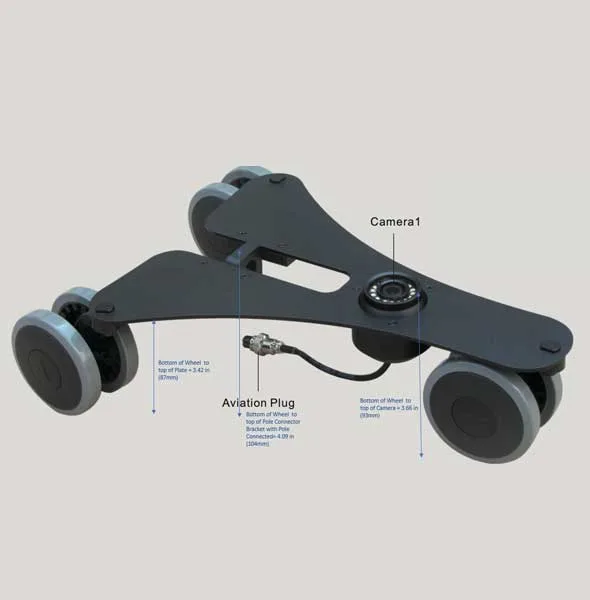
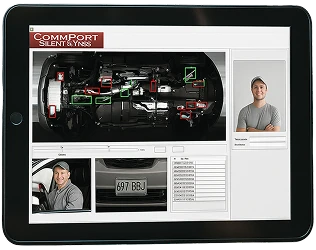
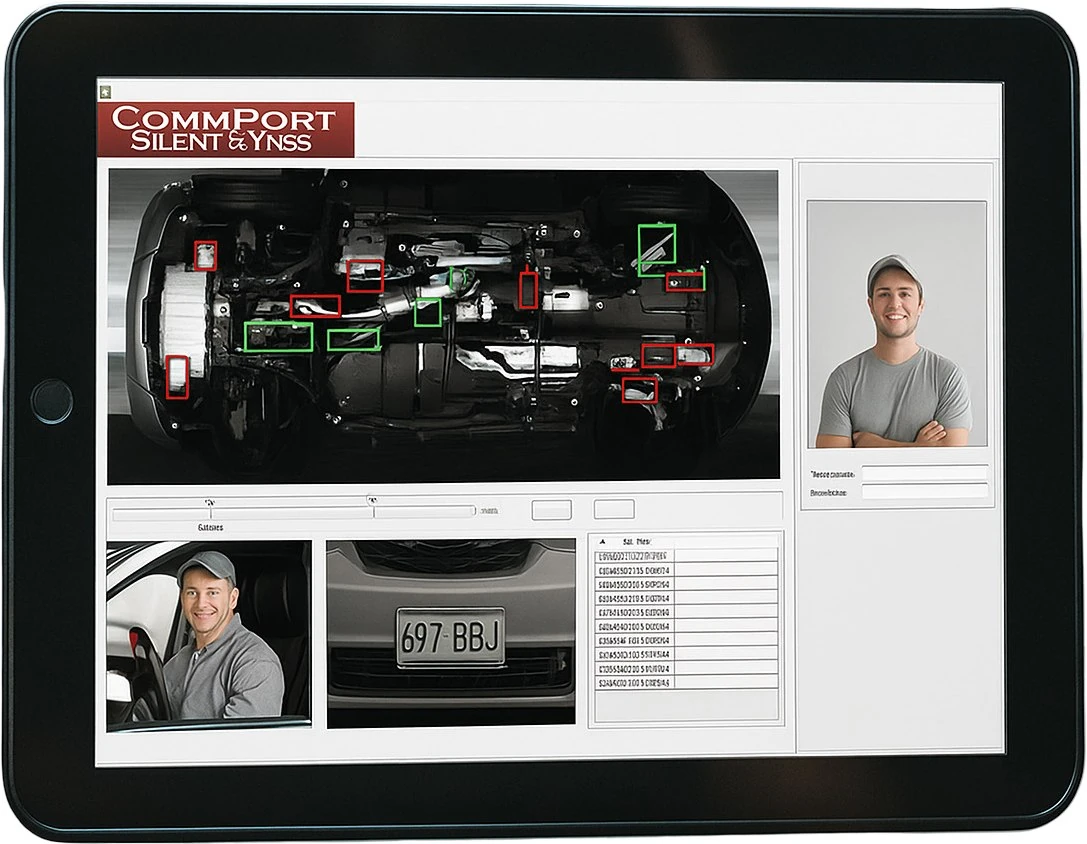
    The UVSS system continuously scans and monitors vehicle undercarriages in real time, enabling fast and efficient security screening at high-traffic checkpoints without slowing vehicle movement.

  • License Plate <span>Recognition</span>

    License Plate Recognition

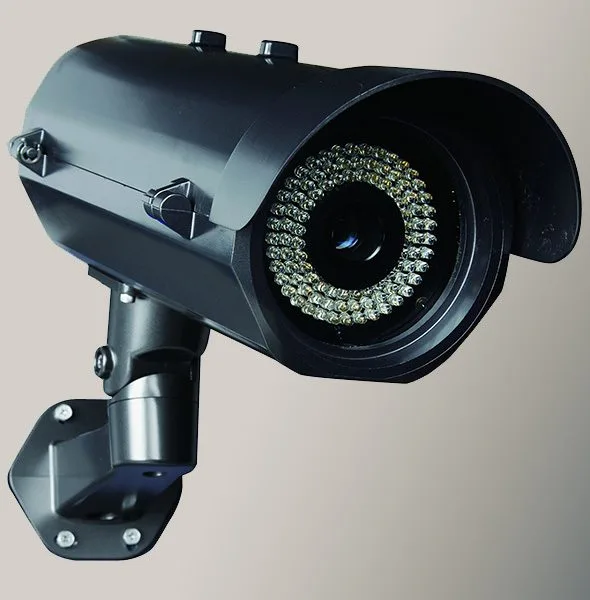
    Integrated License Plate Recognition (LPR) seamlessly works with UVIS to automatically capture, read, and validate vehicle license plates against watchlists and databases for enhanced vehicle tracking and security verification.

  • Contraband and <span>Foreign Devices</span>

    Contraband and Foreign Devices

    Advanced sensors and high-resolution imaging scan the vehicle undercarriage to detect concealed contraband, unauthorized devices, or foreign objects. The system helps security teams quickly identify potential threats and hidden risks during under vehicle inspections.

  • Driver<span> Imaging</span>

    Driver Imaging

    High-resolution driver imaging captures clear facial images of vehicle occupants at checkpoints. This feature helps security teams verify driver identity, correlate driver data with vehicle records, and strengthen access control in high-security environments.

  • Database <span>Management</span>

    Database Management

    A centralized database management system securely stores, organizes, and retrieves all inspection data, including undercarriage images, vehicle details, license plate records, and driver information. This enables fast searches, historical comparisons, audit trails, and seamless integration with other security platforms for efficient security operations.

  • Anomaly <span>Detection</span>

    Anomaly Detection

    AI-powered anomaly detection automatically compares current undercarriage scans with historical reference images to identify unusual objects, modifications, or deviations, instantly alerting operators to potential threats.

Ready to secure your facility with UVIS?

Tell us about your site and we will recommend a system.

Meet Our Clients

Join organizations worldwide using CommPort UVIS solutions.

About Us Commport: Secure From the Ground Up, Made In USA

Commport is a top-tier manufacturer of Under Vehicle Inspection Systems (UVIS) and Under Vehicle Surveillance Systems (UVSS) based in the United States. Since establishing the company in 1998, our goal has been to provide uncompromising, high-tech, and reliable security solutions to clients around the world.

From our headquarters in the U.S. to critical infrastructure locations which include military bases, embassies, airports, border crossings, and large scale manufacturing/industrial plants, Commport has had a long history of providing innovative, reliable solutions and has impacted global infrastructure in the safety & security space.

Have Questions About UVIS?

Speak with a UVIS specialist about your requirements.

Why CommPort Technologies Is a Trusted UVIS & UVSS Provider

Looking for a proven UVIS & UVSS provider?

Our UVIS Installations

Planning a UVIS installation?

Get expert guidance for your site and security requirements.

Have a question or a business inquiry? We’d love to hear from you.

Still not sure which UVIS solution is right for you?

Our team will help you match the right system to your site.

Frequently Asked Questions

  • What is an Under Vehicle Inspection System (UVIS) and why is it important in Bahrain?

    A UVIS scans the underside of a vehicle as it passes over the system, using high-resolution imaging to reveal anything concealed beneath it. For organisations in Bahrain, it closes the one blind spot a visual gate check cannot cover, allowing every vehicle to be screened without stopping or unloading it.

  • Where are UVIS systems commonly deployed in Bahrain?

    Typical deployments in Bahrain include airports and seaports, government and diplomatic facilities, financial institutions, hotels and industrial sites. Anywhere vehicles enter a controlled area, an under vehicle inspection system adds a layer of screening that manual checks cannot reliably provide.

  • Can CommPort UVIS handle high-traffic checkpoints in Bahrain?

    Yes. Scanning happens while the vehicle is in motion, so screening adds no measurable delay at the gate. Sites can inspect every vehicle rather than sampling, which keeps throughput steady at busy entrances.

  • Can a UVIS operate reliably in Bahrain's heat, humidity and coastal conditions?

    CommPort systems are built for continuous outdoor operation and are deployed at government and enterprise sites worldwide, in a wide range of climates. The units run around the clock in varying light and weather conditions.

  • Does CommPort UVIS integrate with existing security systems?

    Yes. CommPort UVIS works alongside access control, ANPR/LPR, video management and PSIM platforms, so undercarriage scans and vehicle identity land together in the same monitoring environment rather than in separate, disconnected records.

  • What types of threats can a UVIS detect?

    Undercarriage scanning is used to identify concealed objects, contraband, explosives and structural modifications attached beneath a vehicle. AI-assisted comparison flags anomalies and deviations from known vehicle profiles, so operators review exceptions instead of every image.

  • How does automated UVIS compare with manual mirror inspection?

    A mirror check depends on the operator, the light and the time available, and it requires the vehicle to stop. An automated system captures a complete, consistent image of the undercarriage every time, retains it for audit purposes, and does so without holding up the queue.

  • Which CommPort solutions are suitable for organisations in Bahrain?

    CommPort offers CPAS UVIS Systems for fixed installations, CPAS ML/MG Network Multi-Lane Systems where several lanes are screened together, the FLEX-HH-300 hand-held kit for portable and remote inspections, and License Plate Recognition to tie each scan to an identified vehicle. The right combination depends on the site and lane count.