Can the system work with multiple lanes of traffic at Jordan's busiest checkpoints?
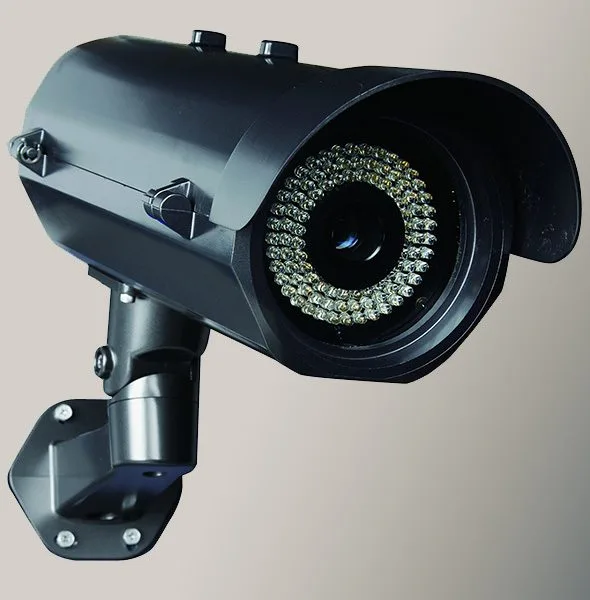
Yes. The CPUVIS LPR system is fully scalable — deployable in a single lane at smaller military checkpoints or across multiple lanes simultaneously at Jordan’s highest-traffic entry points such as King Hussein Border Crossing, Jaber Border Crossing, and Queen Alia International Airport; ensuring no vehicle passes through unidentified regardless of traffic volume.
How does it maintain 95%+ accuracy in Jordan's challenging conditions?
Jordan’s security environment presents unique visibility challenges from sandstorms and dust along the eastern desert border to low-light conditions at night crossings and high-speed vehicle movement on Amman’s major access routes. The CPUVIS LPR system maintains over 95% recognition accuracy across all of these conditions, ensuring Jordanian security operators never compromise on identification reliability.
Can it integrate with Jordan's existing security infrastructure?
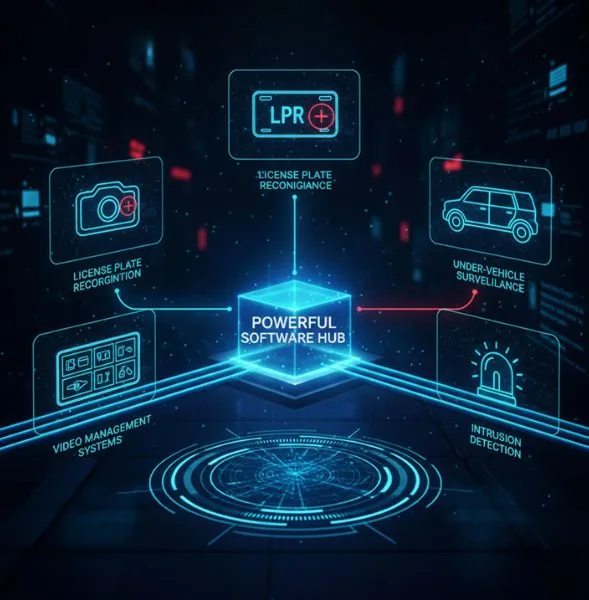
Absolutely. Built on open architecture, the CPUVIS LPR system integrates seamlessly with Jordan’s existing border management systems, military base access control networks, CCTV infrastructure, and government security platforms requiring minimal disruption to current operations during deployment.
Can Jordanian agencies customize data storage to meet local compliance requirements?
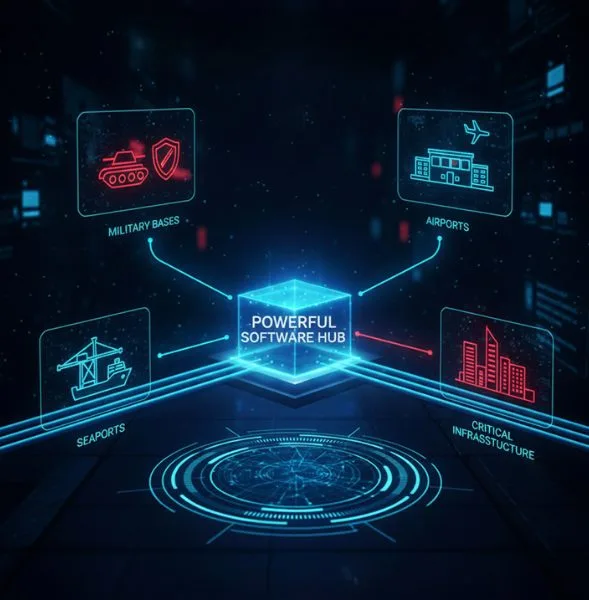
Yes. Data can be stored locally, on a secure server, or in a cloud-based environment fully customizable to meet Jordan’s government data retention policies and military security protocols. Whether your facility is a border crossing, airport, or military installation, storage configurations can be tailored to your operational and regulatory requirements.
Can it read license plates from Jordan and neighboring countries?
Yes. The CPUVIS LPR system is specifically configured to read Jordanian license plate formats while also recognizing plates from neighboring countries including Syria, Iraq, Saudi Arabia, Israel, and Egypt making it ideal for Jordan’s border crossings where multi-national vehicle traffic is a daily operational reality.